The OKTA Project at Digital Humanities Gatherings!
OKTA Principal Investigator Prof. Dr. Umut Karabulut will participate as an invited speaker in the 33rd session of the Digital Humanities Meetings series, organized by the Marmara University Center for Digital Humanities (CDH), to be held on Thursday, November 19, 2026, at 13:00.
During the session, Prof. Dr. Karabulut will introduce the research questions, data sources, and methodological approach of the OKTA project, titled "Historical Text Analysis with Hybrid Artificial Intelligence Models: Data-Oriented Examination of Atatürk Era Reader Letters and the Government Agenda", supported under the TÜBİTAK 3005 Support Program for Innovative Solutions in Social and Humanities Research Projects.
How can the relationship between public agenda and government policies in the 1923–1938 period be examined through historical data? Addressing this question, the OKTA project approaches reader letters and the government agenda in periodicals within a large-scale, comparative framework. The project aims to examine through data-driven methods how social demands, expectations, criticisms, and everyday problems intersected with the political agenda, as well as the reflections of government policies in society.
In this context, reader letters constitute one of the fundamental historical sources of the project. Reflected in newspaper columns, these texts are significant sources illuminating not only individual views, but also issues, expectations, demands, and social sensitivities of everyday life in the era. Analyzing reader letters alongside official documents and institutional records offers a vital opportunity to examine the historical process through the experiences and agendas of diverse segments of society.
In the presentation of the project, where archival screening, cataloging, and data collection are currently underway, the research process leading from archival documents to validated historical insights will also be addressed. The overarching framework of the approach—spanning from data collection and digitization to text analysis, thematic extraction, temporal change analysis, and examining the public–government agenda dynamics—will be shared with participants.
Prof. Dr. Karabulut will also discuss the "history-from-below" approach at the heart of OKTA and the research possibilities that reader letters provide from this vantage point. By evaluating the public agenda alongside the government agenda, the project aims to reveal how the relationship between the two realms evolved over time and influenced each other.
Organized by Marmara University Center for Digital Humanities, the Digital Humanities Gatherings bring the opportunities and methodological challenges of digital tools in social and humanities disciplines to the discussion table with researchers from diverse fields.
Details regarding the participation format and online access credentials for the session to be held on Thursday, November 19, 2026, at 13:00, will be announced closer to the event date via the official website of Marmara University Center for Digital Humanities and the @DBB_CDH social media accounts.
Digital Humanities Gatherings (October–November 2026) Promotional Video
Announcement & Event Links
Official Announcement Post on X (Twitter)
Event and session introduction shared by Marmara University CDH
Marmara University CDH Official Webpage
Center's official webpage, event details, and publications
@DBB_CDH Official Profile
Official account for session schedules and online participation links
Project Team
Our researchers participating in this interdisciplinary research project.
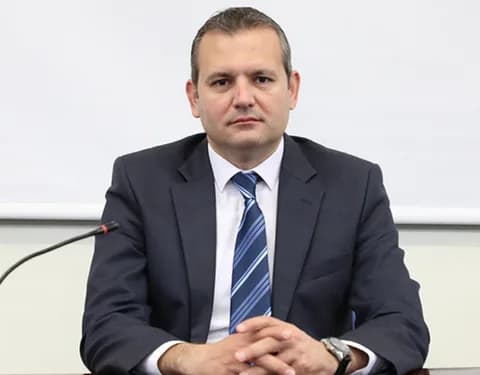
Prof. Dr. Umut Karabulut
Principal Investigator
Pamukkale University, Faculty of Humanities and Social Sciences, Department of History
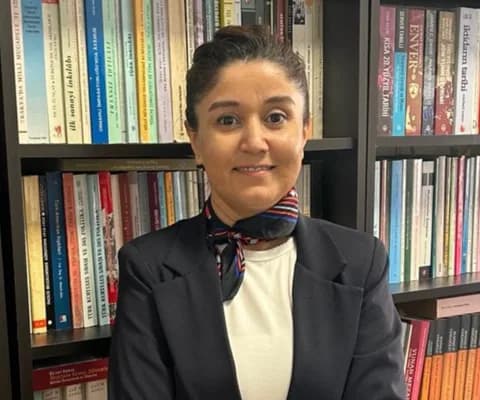
Prof. Dr. Sezen Karabulut
Researcher
Pamukkale University, Faculty of Humanities and Social Sciences, Department of History
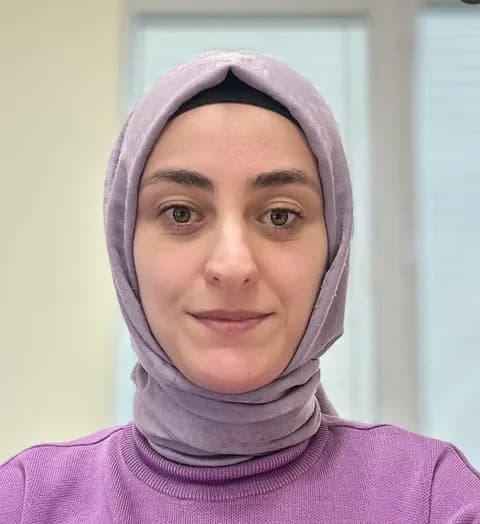
Dr. Öğr. Üyesi Merve Özdeş Demir
Researcher
Pamukkale University, Faculty of Engineering, Department of Artificial Intelligence and Data Engineering
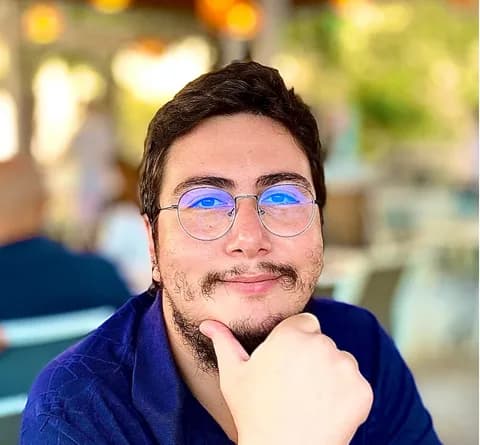
Dr. Mustafa İlter
Researcher
İzmir Institute of Technology, Department of General Education